
Will Bruxism Stop You From Getting Dental Implants?

Woman lying in bed grinding her teeth

Dental implants are often seen as the modern gold standard for replacing missing teeth thanks to the many unique advantages they have to offer. But if you currently have bruxism, you may find yourself wondering whether you might need to pursue other tooth replacement options. Could constant grinding and clenching of the teeth prevent you from enjoying the benefits of sturdy implant posts? Here’s what you need to know about the impact that bruxism can have on dental implants.

How Can Bruxism Affect Dental Implants?

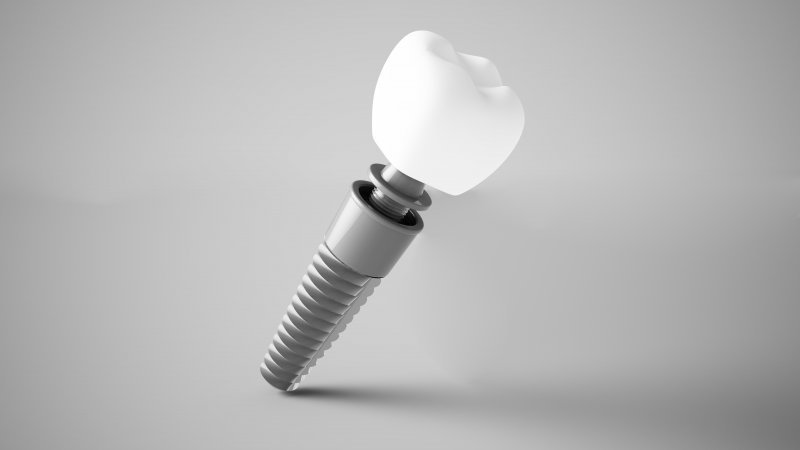
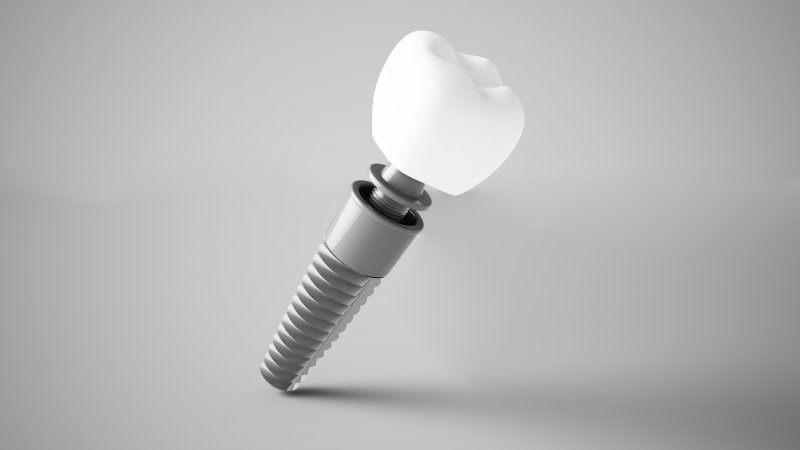
Simply put, when you have bruxism, the repeated grinding and clenching can put a lot of pressure on your dental implants. This can cause serious problems during osseointegration, which is a natural process that allows your implant posts to fuse with your jawbone. The pressure from bruxism can cause the posts to move, which can potentially disrupt osseointegration and ultimately lead to dental implant failure.

Even after osseointegration is complete, bruxism can still damage your dental implants by frequently exposing them to an excessive amount of force. Over time, this can fracture the implant posts or cause them to come loose.

Can You Still Get Dental Implants If You Have Bruxism?

The good news is that you can still potentially be considered a viable candidate for dental implants even if you currently have bruxism. Your dentist can determine whether dental implants are the right choice for you based on the specifics of your situation. They can also help you figure out the best way to get bruxism under control so that it doesn’t cause problems for your replacement teeth.

What Can You Do About Bruxism?

Treating bruxism often involves wearing a nightguard, which is a simple oral appliance that is meant to be placed on the teeth before you go to bed. A nightguard can act as a barrier that stops the upper and lower arches of teeth from making direct contact with each other. This helps minimize the amount of pressure that your dental implants are exposed to throughout the night, thus allowing you to avoid serious damage in the long term.

If you suffer from daytime bruxism, it’s essential to pay close attention to what your jaw is doing. As soon as you catch yourself grinding or clenching your teeth, you can make a conscious choice to relax your jaw and help it find a better resting position.

Bruxism doesn’t immediately disqualify you from getting dental implants, but it does need to be controlled so that it doesn’t cause issues for your newly revitalized smile. When you visit your dentist to discuss the possibility of getting dental implants, make sure that they are aware of your bruxism so that they can devise a plan for dealing with it.

About the Author

Dr. Stacy Dean went to the WVU School of Dentistry, and she holds membership with various professional organizations, including the Dental Society of Western PA and the Academy of General Dentistry. At Dean Dental in Washington, PA, she’s proud to be able to offer a wide range of services, from custom nightguards for treating bruxism to beautiful, lifelike restorations for dental implants. If you want to determine whether dental implants are right for you, you can schedule an appointment with Dr. Stacy by visiting her website or calling (724) 204-5858.
How to Take Care of Your Dentures (And Help Them Last Longer!)

Two dentures resting against each other on a clear surface

Most physical objects require some maintenance. Dentures are no different, but because of their design and unique purpose as replacement teeth, there’s a specific way to care for them properly. When done consistently, a good denture care routine can help your prosthetic last much longer than it would otherwise, so knowing the right techniques is important!

Your dentist would always be happy to talk about denture maintenance in more detail. In the meantime, though, reading this guide will give you an overview of the basics.

Cleaning Your Dentures

Dentures can accumulate bacteria just like most anything else, so you should: 1) rinse your dentures with lukewarm water after eating and drinking, and 2) clean them more thoroughly at least once per day.

When “deep cleaning” your dentures, take them out of your mouth so you can also remove bacteria from the underside. Instead of using toothpaste, gently brush your dentures with hand or dish soap. Abrasive toothpastes will leave scratches and can wear down dentures!

Removing Your Dentures

As you take your dentures out for a rinse or cleaning, lay a soft towel out to cover your countertop and sink. That way, if you accidentally drop them, they’ll be less likely to chip or break.

You should never sleep with your dentures still in your mouth! They’re not meant to be worn 24/7, and if you don’t give your gums a break, you could experience irritation or develop an infection. It’s best to put them in a secure case or let them soak in a denture cleaning solution at night.

When to Call Your Dentist

It’s better to fix problems as soon as you notice them, even when it comes to your dentures! If you experience any of the following, call your dentist right away so they can help you address the issue:

  • Breakage (trying to fix them yourself could make things worse!)
  • Slippage (increased slippage could mean your dentures need to be relined)
  • Oral sores (these can also indicate your dentures no longer fit quite right)
  • Visible signs of wear and tear (timely adjustments can prevent further damage)

Taking good care of your dentures might feel like a chore at times, but remember that doing so will help them last longer – and help you avoid oral health problems. Plus, you’re not on your own. Your dentist will always be ready with professional advice and prompt solutions!

About the Practice

Dr. Stacy Dean and Dr. Jessica Dean are your dedicated dentists in Washington, PA. As sisters, they work well together, and combine their various skills to provide patients with quality, comprehensive dental care. If you have questions about the best way to take good care of your dentures or would like to make an appointment, you can contact their office at (724) 204-5882 or submit your request online.

Cosmetic Question: What Do Veneers Feel Like?

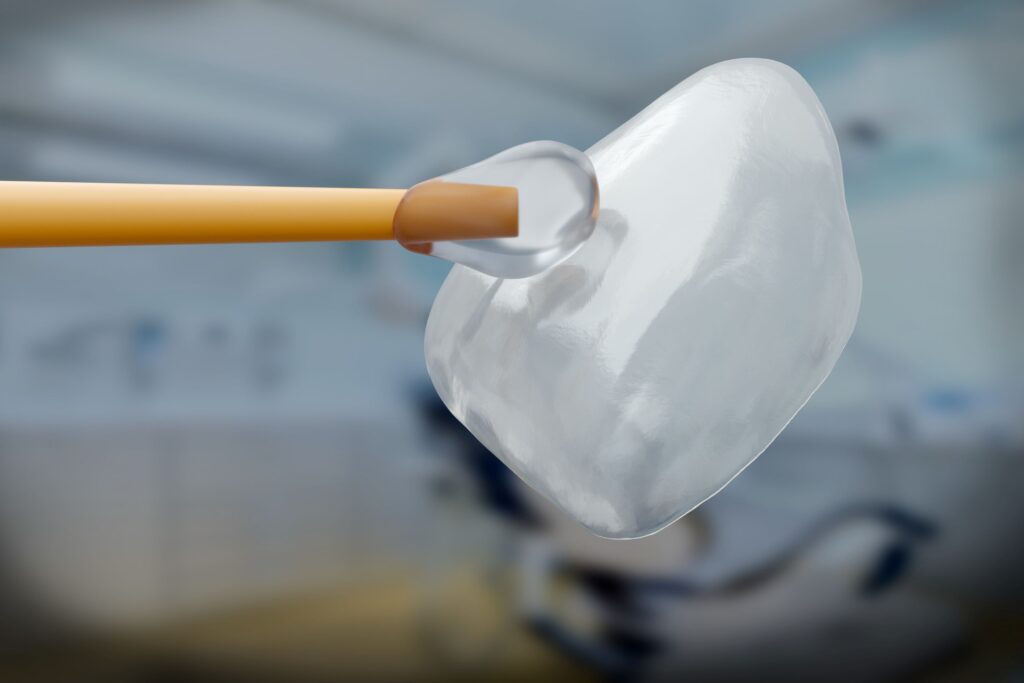
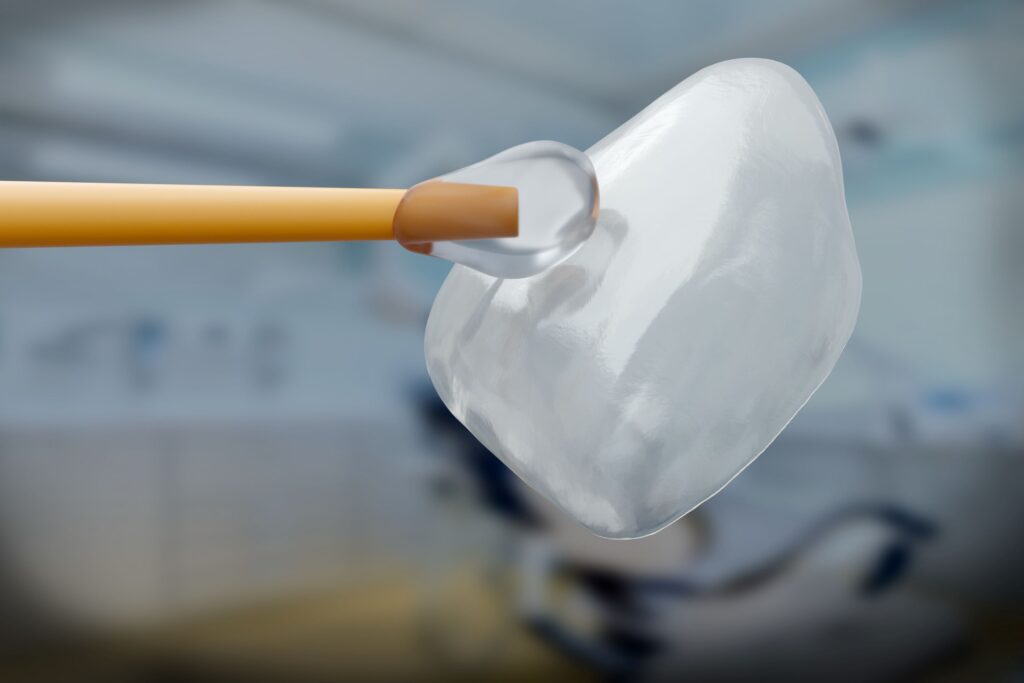
Closeup of a veneer about to be cemented

Are you feeling self-conscious about dental flaws, like chips, cracks, stubborn stains, or mild misalignments, that are detracting from your appearance? If you’re not one hundred percent pleased with the way your smile looks, your dentist can potentially boost your confidence by placing porcelain veneers to mask imperfections.

However, you might hesitate to undergo this treatment if you’re unsure what life is like with these restorations. Continue reading to learn more about veneers and what they feel like so you know what to expect!

What are Veneers?

This treatment involves cementing hard shells made from resilient ceramic over the fronts of your teeth to hide one or several aesthetic concerns. The durable material they’re made from reflects light like enamel and can be customized to be just the right size, hue, and shape to match your natural smile seamlessly. This is a popular way to address damaged enamel, slight overcrowding, misalignments, and dental discoloration that can’t be bleached.

These restorations are coated with a glaze durable enough to resist chipping and staining, and can last 15 to 20 or more years if cared for correctly. This makes them a popular long-term cosmetic investment.  

Does Getting Veneers Hurt?

Many patients experience anxiety around dental visits, and being fitted with veneers is no exception. Your dentist must remove a small amount of enamel from the underlying teeth for them to fit correctly without looking overly bulky or throwing off your bite alignment. Although they’ll apply a local anesthetic to numb the area, you might develop temporary sensitivity after the medication wears off following this preparation.

Usually, this sensation can be safely reduced by taking over-the-counter medications, like Tylenol or ibuprofen. Then, once the final restorations are ready, the process of cementing them to your teeth is incredibly straightforward and usually doesn’t even require a topical numbing agent to complete.

What Do Veneers Feel Like?

Are you curious what veneers feel like once they’re cemented in place? These shells are incredibly thin, usually only about 0.2 to 0.5 mm thick, but it can still take your mouth a couple of weeks to adjust to their presence. You might develop mild aches or speech impediments, like a lisp, until your tongue and other tissues acclimate, but these usually fade on their own after a few days.

Then, because the porcelain material is designed to look and feel as lifelike as possible, you’ll likely feel so comfortable with your veneers that you forget they’re there. You can continue to keep them in great shape by brushing and flossing twice daily, and visiting your dentist every six months for a routine checkup and cleaning, just like with your natural teeth.

If you still feel unsure, contacting your dentist for a consultation is the best way to learn whether veneers are the right treatment to help you achieve your smile goals!

About the Practice

Patients at Dean Dental benefit from two dentists voted the Best of the Best from 2019 to 2024! Dr. Stacy and Dr. Jessica are both highly accomplished providers individually, and they collaborate to provide a comprehensive menu of services to meet all your needs under one roof, including veneers. Their compassionate approach and attention to detail combine with advanced technology to deliver comfortable, beautiful results intended to last. You can request an appointment on the website or call (724) 204-5882.

Watch What You Eat: Foods to Avoid After Dental Implant Surgery

Potato chips.

Dental implant surgery is a significant step toward restoring your smile, but proper aftercare is crucial for a successful outcome. One of the most important aspects of recovery is your diet. What you eat after your procedure can greatly impact the healing process and the long-term success of your implant. Here are the top categories of foods to avoid after dental implant surgery and why steering clear of them matters.

Hard and Crunchy Foods

Chewing hard foods like nuts, chips, raw vegetables, or hard candies can put excessive pressure on your implant site. This pressure can disturb the surgical area, cause pain, or even dislodge the implant during the critical early healing phase.

Avoid nuts and seeds, popcorn, hard crackers or pretzels, and raw carrots or apples (unless steamed or softened). These foods can also leave small particles that may irritate the surgical area or get lodged in healing gums, increasing the risk of infection.

Sticky or Chewy Foods

Sticky foods tend to cling to your teeth and gums, which can make them difficult to clean off and may pull on the healing tissues. Chewy foods also require more jaw movement and effort, which can increase discomfort and inflammation after surgery.

Avoid:

  • Caramel.
  • Chewing gum.
  • Taffy.
  • Gummy candies.
  • Tough cuts of meat (e.g., steak or jerky).

Your mouth needs rest and avoiding these foods can help prevent stress on the surgical area.

Spicy and Acidic Foods

While these foods may be flavorful, they can irritate your healing gums and the surgical site. Spicy and acidic foods may cause stinging, burning sensations, or even inflammation, slowing down the recovery process.

Avoid:

  • Hot sauces and spicy seasonings.
  • Citrus fruits and juices (lemon, orange, grapefruit).
  • Tomato-based sauces.
  • Vinegar-based foods and dressings.

Stick to mild, soothing meals that won’t cause discomfort or interfere with healing.

Very Hot Foods and Beverages

Extreme temperatures can interfere with blood clot formation and increase swelling or bleeding at the implant site. It’s best to allow hot foods and drinks to cool before consuming them during the first few days after surgery.

Avoid:

  • Freshly brewed coffee or tea.
  • Hot soups and stews.
  • Oven-fresh baked goods.

Opt for lukewarm or cool items instead to protect the healing tissues.

Carbonated and Alcoholic Beverages

Both soda and alcohol can irritate the surgical site and dry out the mouth, which impairs healing. Carbonated drinks can also introduce air pockets that may disrupt stitches or blood clots.

Avoid soda, sparkling water, beer, wine, and liquor. Stick with water, herbal teas, or nutrient-rich smoothies for hydration.

Following your dental implant surgery, your diet plays a key role in how well and how quickly you heal. Avoiding hard, sticky, spicy, hot, and acidic foods can help prevent complications and ensure your implant integrates properly with the jawbone. Your dental team will likely provide specific instructions tailored to your case, so be sure to follow their guidance closely.

About the Practice

If you’re interested in the number-one means of restoring your smile, look to the experts at Dean Dental PLLC. We provide long-lasting dental implants that can replace your teeth for decades or even a lifetime. Our high-quality restorations are made using natural-looking materials with treatment plans tailored to patients’ individual needs. Also, we partner with local specialists to give you the best care when it comes to placement. Ready to get started? Head to our website to schedule your appointment or call us at (724) 204-5882.

Dietary Danger: 3 Foods to Avoid with Dentures

Closeup of steaks on a fired up grill

Tooth loss can negatively affect your general health because you rely on two complete arches to thoroughly pulverize your meals enough to be easily swallowed and digested. Unfortunately, gaps in your grin can contribute to gastrointestinal issues from consuming overly large pieces. Furthermore, you might develop malnutrition if you can’t eat a wholesome diet to support your bodily functions.

Thankfully, your dentist can strengthen your bite force with dentures. These replacement teeth allow you to enjoy a wider variety of healthy ingredients, but certain foods could harm them. Continue reading to learn 3 culprits to avoid eating with dentures!

Option #1: Chewy Meats

With summer just around the corner, the days are growing longer and warmer, which is ideal weather for backyard barbecues. However, if you’re hoping to sink your new teeth into a giant cut of steak, you might need to adjust your expectations.

Tough cuts of meat can be particularly difficult to pulverize with dentures, especially if your restoration is new. Anything requiring excessive chewing to be mashed up sufficiently can rub sores into the tender tissues of your mouth until you’re more acclimated to your prosthetics. Many patients find it helpful to cut their meals into smaller portions or select substitutes that are more tender, like chicken or fish.

Option #2: Nuts, Seeds, or Popcorn

Plenty of people enjoy salty snacks like these, but they can be detrimental for denture patients. Nuts often have hard shells that can chip or crack the ceramic pontics or have a tough texture that can wear them down after prolonged or repeated chomping.

Furthermore, popcorn kernels are notorious for sliding into the space between the acrylic base and your gums, which can be incredibly frustrating and painful until removed. Stuck food also attracts unwanted bacteria that contribute to oral issues, like gum disease, which can make wearing dentures uncomfortable.

Option #3: Sticky Candies

You might want to brace yourself for bad news if you’re a fan of lollipops, taffy, caramel, or other sticky candies. Not only do these foods contain plenty of sugar, which is bad for your teeth, but they also can yank your restoration out of place. Then, it’s more likely to slip out of your mouth and become injured, or cause friction against your connective tissues, resulting in canker sores. If you’re looking for a denture-friendly dessert, you can try chocolate that melts in your mouth, or soft sweets like pudding and frozen yogurt.

Your dentist might also provide additional dietary restrictions to follow to keep your recently restored smile in excellent condition!

About the Practice

Patients at Dean Dental benefit from two dentists who are committed to helping people of all ages build and maintain happy, healthy smiles. Dr. Stacy and Dr. Jessica collaborate to provide a comprehensive menu of services at one convenient location, including dentures. They combine a caring approach with state-of-the-art equipment to enhance patient comfort while designing lifelike restorations intended to last. If you need to replace missing teeth, you can request an appointment on the website or call (724) 204-5858.

I’m Pregnant; Can I Be a Good Dental Implant Candidate?

Pregnant lady

Tooth loss is a common problem across the world, and it can lead to a range of oral and overall health issues such as dental misalignments, uneven tooth wear, malnutrition, indigestion, and even further tooth loss. While replacing lost teeth as soon as possible is ideal, pregnancy can present certain challenges for the treatment process. Here’s why dentists typically recommend that women wait until they are no longer pregnant before receiving dental implants.

How Do Denta Implants Work?

Dental implants are titanium posts surgically inserted into the jawbone, where they fuse with their surrounding bone tissue through the natural process of osseointegration. This allows them to support lifelike dental restorations like dentures, bridges, and crowns while giving them the security they need to deliver superior chewing power. Dental implants restore the exercise jawbones need to stay healthy and strong, and they can last for decades or even a lifetime if they receive proper care.

Can Pregnant Women Receive Dental Implants?

Pregnancy can increase a person’s risk of gum disease, so American Dental Association and the American College of Obstetricians and Gynecologists recommend that pregnant women continue receiving regular dental care such as exams and cleanings. However, it’s best to wait until after the first trimester to perform elective procedures such as dental implants. In most cases, oral surgeons prefer to wait until after the pregnancy is over to perform the treatment.

However, placing dental implants takes at least several months in any case, so you can begin the first stages of the process when you reach your second trimester. Then, your dentist will determine if you qualify for the treatment and if you need any preliminary procedures such as gum disease therapy or bone grafts. They’ll be happy to perform periodontal treatments in their office or refer you to a trusted specialist if you need treatments to reinforce your jaw before you get implants.

Dental implants are the ideal way to replace lost teeth because they feel, look, and work just like the real thing. Consulting with your dentist can help you find the best way to restore your smile.

About the Author

Dean Dental is led by Drs. Stacy and Jessica Dean and provides the most excellent oral healthcare services in Washington. The staff treats each patient with compassion and respect so they can enjoy pleasant and effective appointments in a clean and welcoming office environment. Areas of expertise include general, restorative, and cosmetic dentistry as well as dental implants. To schedule your dental implant consultation, contact the office online or dial (724) 204-5858.

Getting Veneers: A Step-by-Step Guide

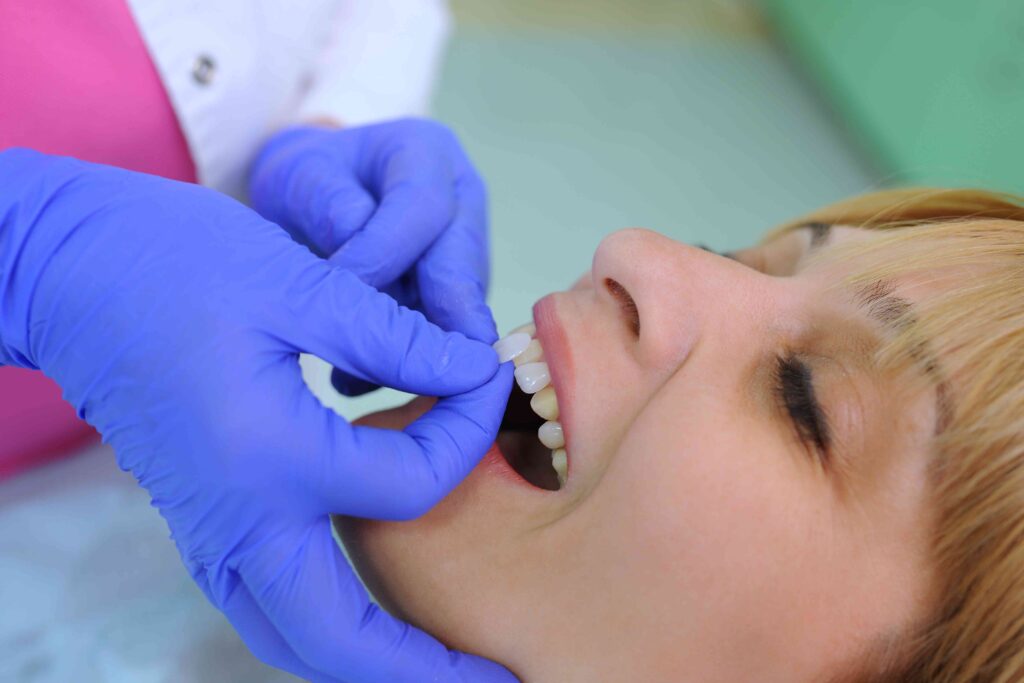
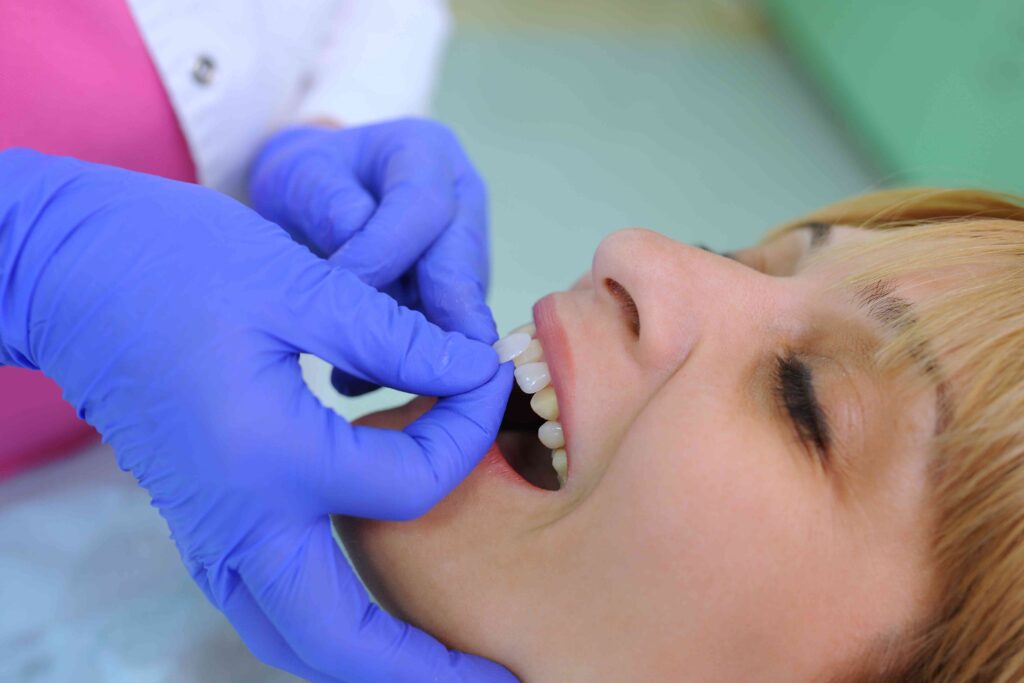
Woman getting veneers

Are you happy with the appearance of your smile when you look in the mirror? If the answer is no, there are plenty of cosmetic dental options out there to improve the way your teeth look. One of the most common solutions out there is veneers because of their ability to transform numerous aspects of your smile at the same time. Veneers are thin shells of porcelain that are placed on front-facing surfaces of the teeth to mask imperfections. Here’s what the process of getting veneers looks like.

Making Your Plan

First, you will need to put together a plan with your dentist. This occurs during your consultation so that you are on the same page going forward. You will discuss the goals that you have for your smile so they will be better able to achieve your goals. The more specific you can be – the better! Bring some photo examples of what you’d like the final results to look like. Your dentist will give you their professional insight so you can agree on a beautiful, achievable end goal.

Preparing Your Teeth

After you and your dentist are in agreement on a treatment plan, it’s time to start preparing your teeth. A small amount of enamel is removed from the front facing surfaces of the teeth to make room for your veneers. Their goal is to remove as little tooth structure possible, as the enamel will not grow back.

Crafting Your Veneers

After your teeth are prepped, impressions are taken and sent to the dental lab so your veneers can be custom-crafted just for you. In the meantime, you will be given a temporary set of veneers that will allow you to speak, chew, and smile with ease in the coming weeks until you can have your final ones placed.

Placing Your Restorations

Once your veneers are ready, you will need to return to the dental office. At this time, your veneers will be cemented to the front of your teeth. Your dentist does this by etching the inside of your veneers and the surface of your teeth with a mild acidic solution to open small pores. Next, a translucent dental cement is placed to fill the pores. This helps your veneers to become one with your teeth and remain secure.

Veneers can give you the smile you’ve always dreamed of. By working with your dentist, you can form a plan that’s right for you!

About the Practice

At Dean Dental, Drs. Stacy and Jessica Dean are sisters who work together to serve patients in the Washington, PA community. With their combined experience and expertise, patients can get pretty much anything they need under one roof. To learn more about veneers or to schedule a consultation, visit their website or call (724) 204-5858.

Thanks for Healthy Mouths: 4 Smile-Friendly Thanksgiving Desserts

An assortment of Thanksgiving desserts

While “spooky season” is nearly over, don’t assume your smile is safe from sweets. If you aren’t careful, Thanksgiving desserts could decay your smile like Halloween candy would. You’d be wise to tailor your Turkey Day treats to be safer for your teeth and gums. Luckily, your Washington dentist is here to help with a few choice suggestions. Read on to learn four smile-friendly Thanksgiving desserts that’d go easy on your mouth this November.

Specialty Cheeses

Not only is cheese a great potential dessert, but it’s also pretty good for your mouth. Making it into a Thanksgiving treat would do wonders for your oral health.

You see, cheese protects your teeth over time. Its calcium should help your enamel regain minerals lost from other, less healthy foods. In other words, eating it would reduce your risk of cavities, tooth infections, and so on. That’s an excellent reason to swap out sugary cakes and cookies and replace them with specialty cheeses.

Rice Pudding

Maybe your Thanksgiving needs a substitute for sugar-laden ice cream. In that case, you may want to try a serving of rice pudding.

It turns out that rice pudding has less sugar and fewer calories than other desserts. To that extent, it won’t erode your enamel as much as more traditional sweets would. You can even make it at home to further control the sugar in the recipe. If you’d like, you can also use sweet substitute ingredients like cinnamon to make the dish better for your mouth.

Dark Chocolate

Chocolate indeed has a reputation for being bad for teeth. Even so, darker varieties are fairly safe Thanksgiving desserts for your smile.

Compared to milk-based kinds, dark chocolate isn’t that bad for your teeth. It doesn’t cling to your mouth as much because it melts quickly and uses less sugar. You wouldn’t have to fear for your smile if you made it one of your Thanksgiving’s after-dinner highlights.

Apple Crisp

An apple crisp is already tasty enough to be a Thanksgiving comfort food. That said, what makes it even better is that it’s fairly friendly to your teeth.

The ingredients for apple crisps don’t do much harm to your smile’s health. For instance, calcium-rich walnuts don’t erode enamel; you just have to ensure you don’t bite too hard. Topping a crisp with some oatmeal and maple syrup isn’t dangerous to your teeth. If you don’t go overboard with these ingredients, they’ll give your dish a sweet and festive flavor.

To learn other smile-friendly Thanksgiving desserts, consult your dental provider. They’ll gladly share their thoughts on treats safe for your mouth!

About the Practice

Dean Dental is based in the southwest part of Washington, PA. Led by Drs. Stacy and Jessica Dean, our practice is proud to provide patients with cutting-edge dentistry. We use the most current dental technology to ensure our preventive, cosmetic, and restorative treatments are top-notch! At the same time, this modern approach lets you enjoy comfortable and streamlined care. For more details or to book a visit, please contact us on our website or by phone at (724)-204-5858.

Why Is Titanium an Excellent Material for Dental Implants?

Illustration of dental implant

Dental implants have allowed millions of people to replace their lost teeth with wonderfully lifelike and functional restorations, but you may wonder why professionals prefer for them to be made from titanium. This durable alloy offers a range of benefits that make it a safe and reliable material for use in the human body. Here’s a brief guide to titanium dental implants and how they can help you achieve your ideal smile and an improved quality of life.

Why Are Dental Implants Made from Titanium?

In the 1950s, Dr. Per-Ingvar Branemark found that it was difficult to remove titanium cylinders that he had surgically placed near the bones of rabbits. Upon further inspection, he discovered that these titanium pieces had naturally fused with the surrounding bone structure. He called this phenomenon “osseointegration,” setting the stage for this remarkable alloy to be used extensively in prosthetic medicine.

Dr. Branemark placed the first titanium dental implant in a human volunteer in 1965. Today, titanium dental implants fuse with the surrounding jawbone structure to create a sturdy hold that allows them to work just like real teeth.

Is Titanium Safe for Use Inside the Body?

Biocompatibility refers to how well a medical part interacts with the tissue of a living system. People have attempted to create reliable dental implants for thousands of years using prostheses made from gold, stone, shards of seashells, or human or animal teeth. While these methods met with some success, they were more likely to be rejected by the body.

Titanium, on the other hand, naturally fuses with the surrounding bone structure without any toxic effects. Being constructed from this alloy makes a dental implant much easier for the body to accept and integrate with its existing structures. After a brief consultation with your dentist, they will be able to tell you if implants can be a good treatment for you.

Titanium Dental Implants Deliver Remarkable Results

Titanium dental implants are an effective and reliable way to replace lost teeth. A few benefits of titanium implants include:

  • Boasting a success rate of over 95% even after ten years and lasting for several decades or possibly a lifetime with excellent care.
  • Acting as the roots of the lost teeth, restoring the exercise the jawbone needs to stay healthy and strong.
  • Chewing anything real teeth can, allowing many patients to enjoy healthier diets than they would with traditional restorations like dentures and bridges.
  • Because dental implants last for such a long time, they can save a patient thousands of dollars that would be spent on replacement dentures and bridges over the years.

Dentists consider titanium dental implants to be the ideal form of tooth replacement. Investing in these modern artificial teeth can restore your smile and enhance your quality of life.

About the Practice

Dean Dental provides the finest oral healthcare available in Washington, PA. Led by Drs. Stacy and Jessica Dean, the staff delivers compassionate care and comfortable treatments in a warm and welcoming environment. The practice offers general, restorative, and cosmetic dentistry as well as dental implant services. To book your dental implant consultation, contact the office online or dial (724) 222-2256.

What is this Sore in my Mouth? Is it Serious?

Someone who looks nervous

One of the most important things that a dentist can do for you is to contextualize the things that are going on with your oral health. It can be a little bit difficult to tell what could be causing any given oral health problem without the help of a professional.

For example, if you’re dealing with chronic mouth sores, it’s easy to be annoyed. However, you might not know what the problem is, how you can deal with it, or even whether its worth bringing to the attention of a dentist. Here’s what you should know.

Cold and Canker Sores

Of course, there are plenty of things that can cause small lumps, abnormalities, or abrasions in the mouth. However, the most frequent sores you’ll see in the mouth are either canker or cold sores. Therefore, being able to distinguish them from one another will go a long way toward helping you diagnose your issue.

What are Cold Sores?

Cold sores are a consequence of the herpes simplex virus. When you catch this condition for the first time, they may be accompanied with flu-like symptoms. After that, they’ll usually appear as fluid-filled lumps on the lips or around the mouth, followed by a small scab after they’ve burst. Such sores will go away on their own in around one or two weeks, though the underlying viral condition will remain.

What are Canker Sores?

Canker sores, as opposed to cols sores, only occur inside of the mouth. They can be located on the cheeks, gums, below or even on the tongue. These canker sores are generally ovular in shape, can be white or yellow, and can even have a thin red border around them.

Herpetiform canker sores are less common, but can sometimes sprout up in small clusters the size of pinpricks.

In either case, you should expect the canker sore to go away within a few weeks without any intervention.

Other Sores to Think About

You might be a little bit curious about oral cancer, which in many cases can appear as lesions in the mouth. The main thing that distinguishes it from either canker or cold sores is that they will not fade on their own. If you find that a lesion sticks around for a few months, or if it gets worse instead of better, it may be worth talking to a dentist about an oral cancer exam.

About Our Practice

At Dean Dental, our woman-led dental team has spent years helping patients look and feel their best. We’ve seen everything at this point, so no matter what problem you come to us with we probably have experience with it, and will be able to offer you incredible compassion throughout the entire process of treatment. Whether it’s mouth sores, oral abscesses, or just a nice checkup and cleaning, we’ll be happy to help you!

If you have any questions about mouth sores, we can be reached at our website or by phone at (724) 204-5858.